
Have you ever observed that after a few hours of sitting, your lower back begins to hurt? This discomfort can gradually interfere with your everyday routine, whether you drive long distances, work at a desk or spend the most of the day sitting down. Until the pain gets unbearable, a lot of individuals choose to ignore it.
Finding the best remedy for lower back pain begins with understanding its causes. It is possible to lessen discomfort, enhance mobility, and stop recurrent issues with appropriate evaluation and individualized lower back pain treatment.
Spine physiotherapy programs at PHYSIO X10 provide patients with individualized care that aims to enhance overall spinal health and determine the cause of their discomfort.
Why Does Lower Back Pain Happen While Sitting?
Sitting is not bad in and of itself, but extended periods of sitting without good posture can strain your lower back.
The muscles surrounding your spine have to work harder to maintain your posture when you sit for extended periods of time, particularly if you have a rounded back or inadequate support. This may eventually result in pain, fatigue, and stiffness in the muscles.
Those who frequently suffer from back pain from sitting include:
- Office workers who put in a lot of overtime
- Desk-based IT workers
- Students that spend a lot of time studying
- Drivers who spend a lot of time driving
- Individuals who work from home without making appropriate seating arrangements
Your spine's health can be gradually impacted by small daily activities.
Common Lower Back Pain Causes While Sitting
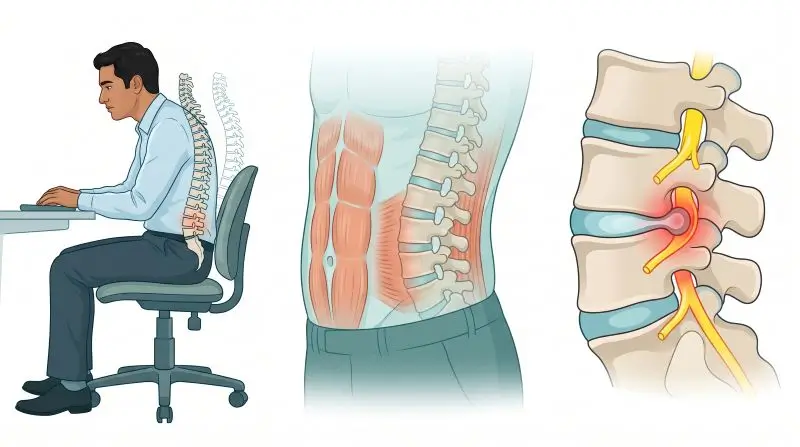
There are various causes of lower back discomfort. Selecting the appropriate course of treatment is aided by determining the true reason.
Poor Sitting Posture
Incorrect sitting posture is one of the most frequent causes of back discomfort.
The lumbar spine is put under more strain when one leans forward, slouches or sits without lower back support. The muscles may become tense and painful as a result.
One easy way to lessen needless strain is to keep your screen at eye level and your back supported.
Weak Core Muscles
Your spine is stabilized and supported by your core muscles. A sedentary lifestyle weakens these muscles, increasing the strain on your lower back.
This additional stress may eventually lead to recurrent pain when standing, sitting or carrying out regular tasks.
Disc Problems
Your spinal bones are cushioned by the discs between them. Changes in these discs can occasionally irritate surrounding nerves and result in lower back discomfort.
Additionally, some persons might encounter:
- Pain travelling down the leg
- Tingling sensations
- Numbness
- Difficulty sitting for long periods
These symptoms should be evaluated by a healthcare professional.
Muscle Tightness and Strain
Sitting for extended periods of time can cause stiffness in the lower back and hip muscles.Changes in these discs can occasionally irritate surrounding nerves and result in lower back discomfort.
Inactivity, improper lifting, and sudden movements can all make muscle strain worse.
Warning Signs You Should Not Ignore
Most cases of lower back pain improve with appropriate therapy, exercise, and lifestyle changes. However, some symptoms may indicate that you need a professional diagnostic.
A physiotherapist or other medical expert should be seen if you encounter:
- Back pain that continues for several weeks
- Pain that affects your sleep or daily activities
- Pain spreading from your lower back to your legs
- Numbness or tingling in your feet or legs
- Difficulty walking, standing, or sitting comfortably
- Pain after a fall, accident, or injury
Early assessment can help identify the problem and prevent the condition from becoming more difficult to manage.
How Spine Physiotherapy Helps With Lower Back Pain
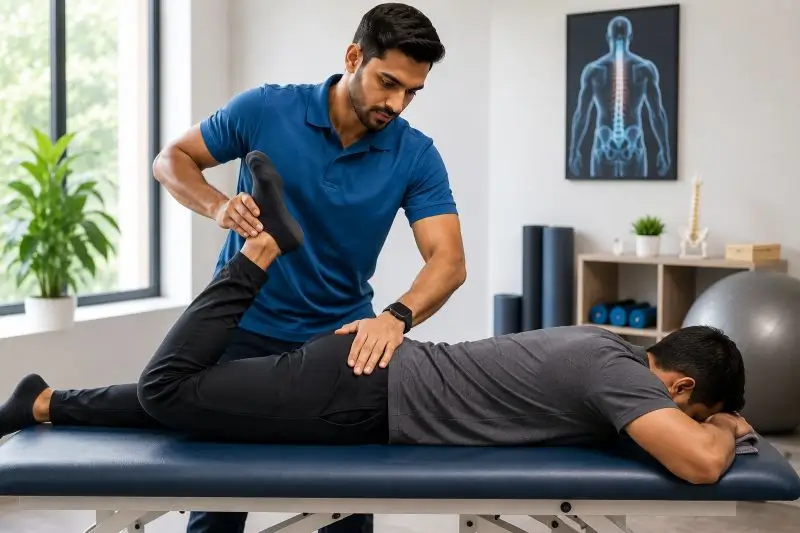
Many people attempt to treat their back discomfort by resting or using short-term painkillers. These could be comforting in the short term, but they might not deal with the root of the issue.
The goals of spine physiotherapy are to strengthen supporting muscles, improve mobility, lessen discomfort, and restore normal function.
A physiotherapist may recommend:
Detailed Assessment
A physiotherapist examines your posture, flexibility, muscular strength, movement patterns, and daily activities prior to beginning treatment.
Instead of taking a general strategy, this helps develop a treatment plan tailored to your particular disease.
Targeted Exercises
An essential component of treating lower back pain is exercise. The correct workouts can stabilize your spine, increase flexibility, and strengthen your core muscles.
Depending on your degree of pain and stage of recovery, a physiotherapist will advise you on safe exercises.
Manual Therapy
Hands-on techniques may be used to reduce muscle tightness, improve joint movement, and relieve stiffness.
The treatment approach depends on the cause and severity of your back pain.
Posture Correction and Lifestyle Guidane
Physiotherapy is not only about treating pain. It also focuses on preventing future problems.
Your physiotherapist may guide you about:
- Correct sitting posture
- Workstation adjustments
- Safe movement techniques
- Daily stretching habits
- Maintaining spinal health
These small changes can make a significant difference in managing back pain.
Can Home Physiotherapy Help With Lower Back Pain?
Many people may find it challenging to visit a clinic because of discomfort, mobility problems or hectic schedules. One handy option is home physiotherapy, in which a licensed physiotherapist comes to your house to treat you.
- Home-based therapy may be beneficial for:
- Elderly people
- Individuals recuperating from wounds
- Individuals who have trouble moving
- Experts with little time
The physiotherapist can evaluate your everyday surroundings during a home session and recommend doable adjustments that promote healing.
Simple Ways to Prevent Lower Back Pain While Sitting
Your spine can be protected by good daily practices in addition to professional care.
- Try these easy suggestions:
- During extended periods of sitting, take brief pauses to move.
- Steer clear of sitting for extended periods of time.
- When sitting, keep your feet flat on the ground.
- Make use of a lower back-supporting chair.
- Keep your screen at eye level.
- As directed by your physiotherapist, perform the strengthening and stretching exercises.
Recall that regular mobility is necessary for your spine. Too much time spent in one position can make you more stiff and uncomfortable.
Finding the Right Physiotherapy Clinic Near You
If your back discomfort is interfering with your daily activities, job or sleep, you can safely heal by seeking expert advice.
Find a local physiotherapy facility that provides qualified physiotherapists, customized treatment programs, and suitable analysis.
For individuals looking for physiotherapy in Bengaluru, PHYSIO X10 provides customized programs that provide specialist care for illnesses of the spine. The primary objectives are to comprehend each patient's circumstances and help them improve their mobility and quality of life.
Conclusion
Lower back pain from sitting is often linked to poor posture, prolonged sitting, weak muscles or underlying spinal issues. Ignoring the pain could make it more frequent and interfere with your daily routines.
Finding the underlying cause of your right lower back pain and improving your range of motion are the two main objectives of treatment. With expert guidance, many people can effectively manage their pain with exercises, posture correction, lifestyle changes and spine pain physiotherapy.
Don't wait until chronic back pain starts to get in the way of your everyday activities. To begin your journey toward better spine health, schedule a personalized appointment with PHYSIO X10 right now.