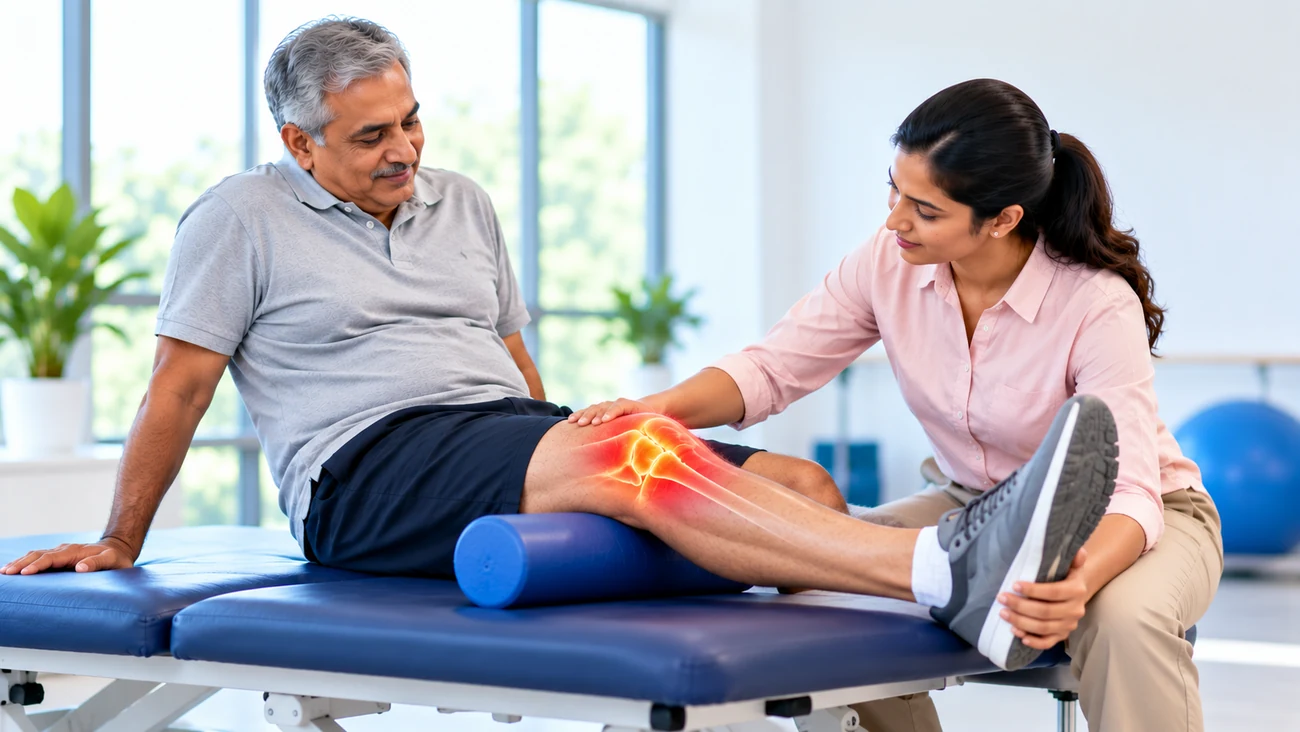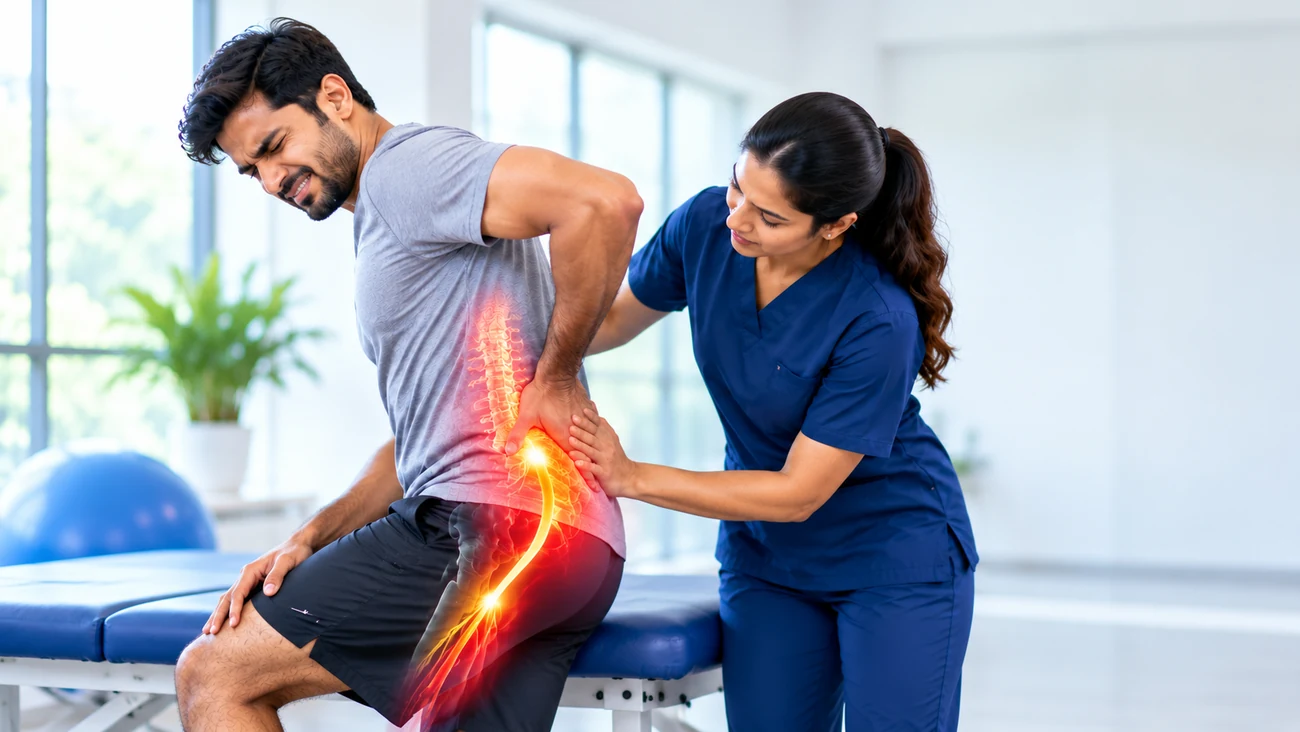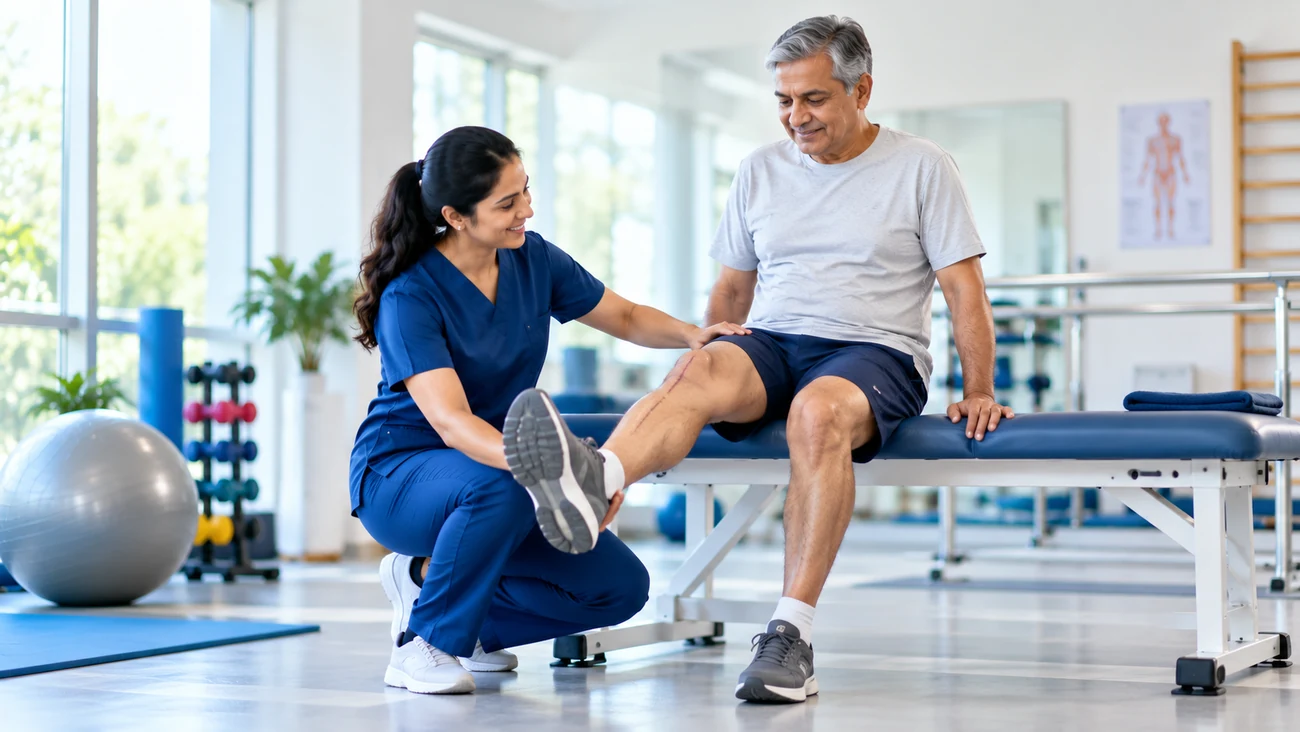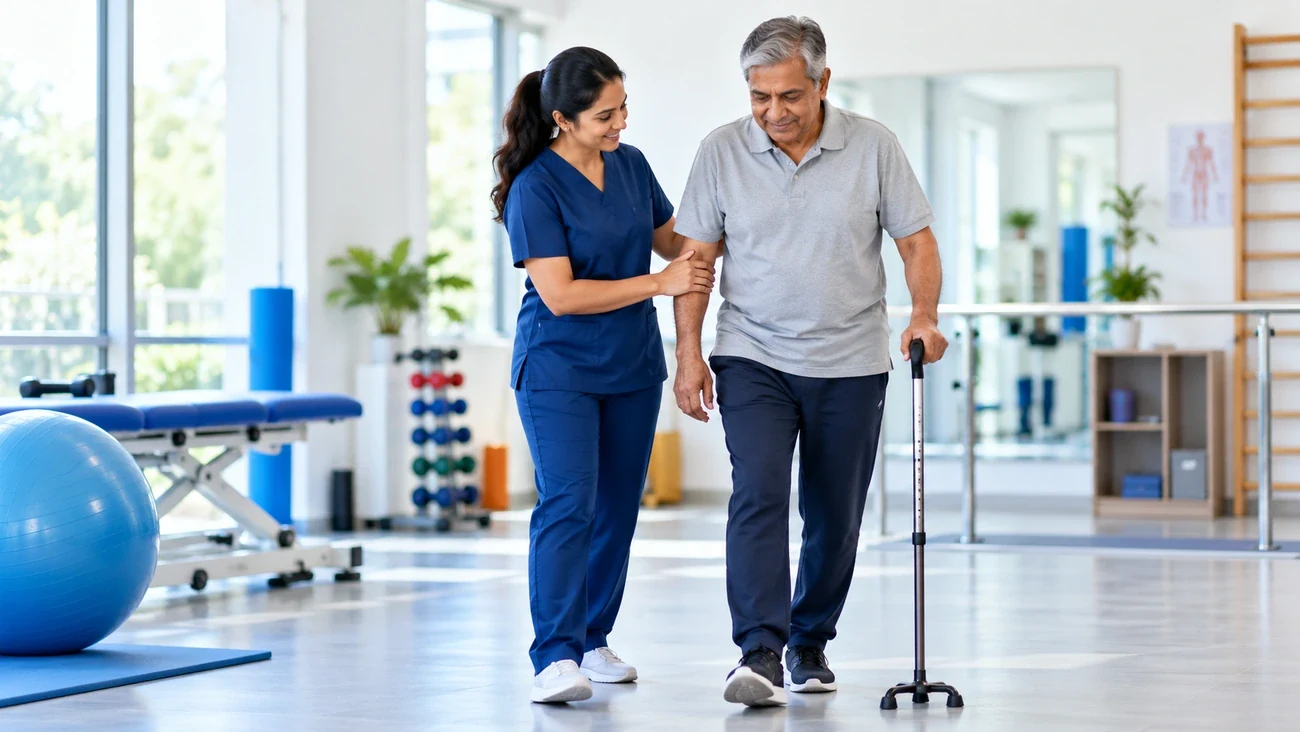
Maintaining strength, mobility, and independence throughout life depends on continuing physical activity. But just being active doesn't guaranty that your body is ready for the demands you put on it. In addition to promoting improved movement control, strength and conditioning can help develop the physical capacity required for daily activities, exercise, and sports. Long-term mobility maintenance and injury prevention are two other benefits of a well-designed program.
What Is Strength and Conditioning?
An organized method for enhancing physical performance and range of motion is strength and conditioning. While conditioning might encompass endurance, balance, coordination, mobility, and the capacity to execute actions effectively, strength training frequently concentrates on increasing muscle force.
A well-rounded program may focus on:
- Muscle strength and endurance
- Joint stability
- Balance and coordination
- Flexibility and mobility
- Functional movement
- Core stability
- Movement control
The resistance, intensity, and exercises should be suitable for the person's age, level of fitness, physical state, and objectives. An older adult trying to preserve their independence and daily movement would need a different schedule than someone practicing for a sport.
How Strength and Conditioning Helps Prevent Injuries
Strong muscles can help the body better support joints and manage physical demands. In addition to preventing injuries, proper strength training can enhance balance, coordination, and movement control.
For instance, improving control during activities like walking, jogging, jumping, or climbing stairs may be supported by strengthening the muscles surrounding the hips and knees. While mobility exercises can help people move through the proper range of motion, balance training can also aid increase stability.
But no fitness plan can ensure that an accident won't happen. Instead of completely removing risk, injury prevention focuses on increasing physical readiness and lowering modifiable risk variables.
A physiotherapy clinic near you can evaluate your range of motion and point out areas that can benefit from focused strengthening, mobility, or balance exercises if you're not sure where to start.
Why Strength Matters for Long-Term Mobility
The capacity to carry out daily tasks is strongly correlated with muscle strength. Even seemingly easy tasks like getting out of a chair, climbing stairs, carrying groceries, or walking for extended periods of time require sufficient muscle and control.
Muscle strength might progressively deteriorate as people become less active. This could make daily motions more difficult and have an impact on confidence and balance.
Therefore, maintaining your strength throughout adulthood will assist you continue to be able to conduct useful movements, which can enhance long-term mobility. A more comprehensive strategy for preserving physical independence can be created by combining mobility and balance training with strength training.
Strength and Conditioning Exercises to Include
Depending on personal needs and objectives, a program of strength and conditioning workouts may incorporate a variety of motions. Exercises that are frequently performed include:
- Squats or sit-to-stand exercises
- Step-ups
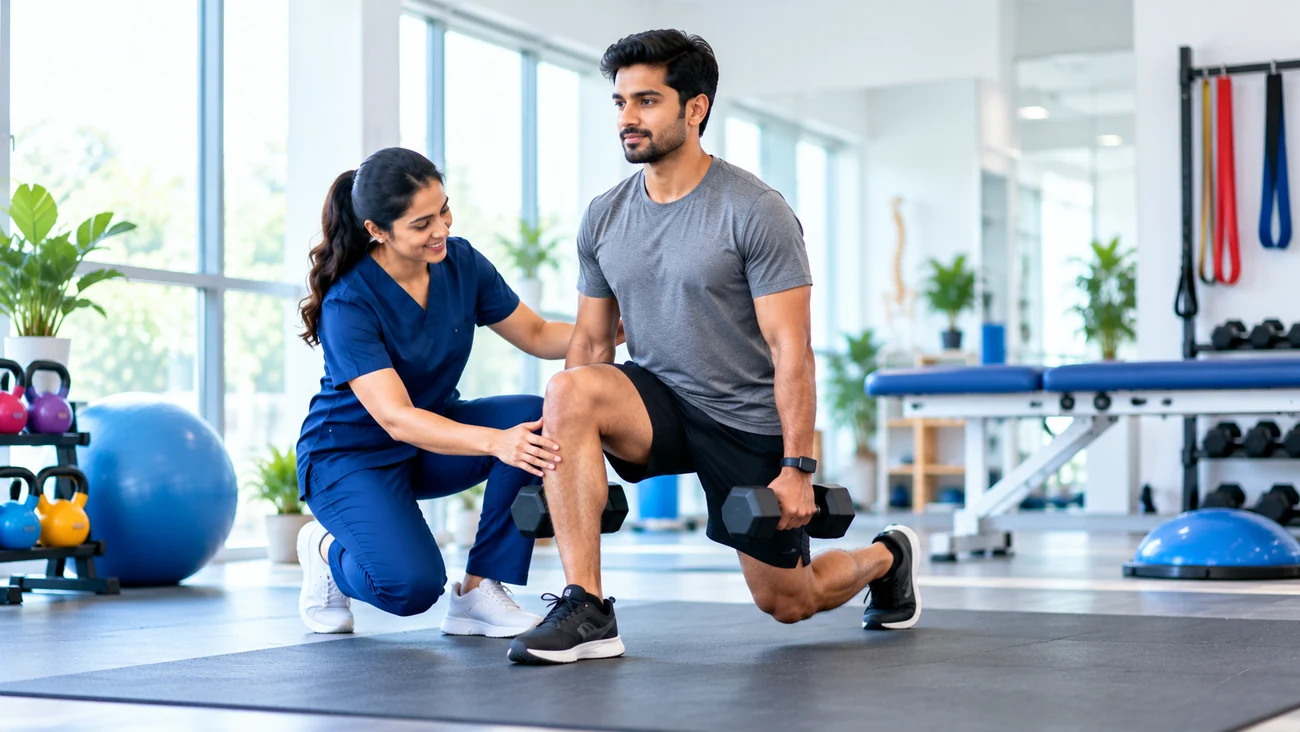
- Supported lunges
- Resistance-band exercises
- Calf raises
- Core strengthening exercises
- Balance exercises
- Mobility exercises
It's not enough to just increase the number of exercises or increase the resistance. Gradual growth, suitable intensity, and proper technique are crucial. As the body adjusts, exercises should get harder, but the development should still be suitable for the person's present skill level.
Compared to a healthy person who is already used to regular training, someone recovering from an accident may also require a more progressive approach.
Who Can Benefit From Strength and Conditioning?
People with varying levels of physical activity and aspirations might benefit from strength and conditioning. It can help athletes perform better and get their bodies ready for the rigors of their sport. While exercises that promote balance, functional strength, and independence may be beneficial for older persons, active adults can use it to preserve strength and movement quality.
People who are getting back into physical exercise after an injury may also find it helpful. Instead of considering strength training as a stand-alone activity in these situations, the program should be coordinated with the person's rehabilitation needs.
Physiotherapy in Bengaluru may assist you in creating an exercise plan based on your functional, mobility, strength, and movement goals if you require expert advice.
How to Start Strength Training Safely
It's more crucial to start at the proper level than to strive to advance quickly. Prior to raising resistance or exercise difficulty, concentrate on the quality of your movements.
Keep these principles in mind:
- Start with exercises appropriate for your current ability.
- Focus on controlled and correct movement.
- Increase resistance or difficulty gradually.
- Give your body enough time to recover.
- Include mobility and balance work alongside strengthening.
- Don't ignore persistent or unusual pain.
- Seek professional guidance if you have an existing injury or physical limitation.
Exercises for strength and conditioning should promote your general physical well-being rather than leave you feeling worn out or uncomfortable all the time. An aggressive routine that is hard to stick to is less valuable than a sustainable program that you can follow regularly.
Conclusion
Building larger or more powerful muscles is only one aspect of strength and conditioning. When properly designed, it can assist long-term mobility and injury prevention while enhancing strength, balance, stability, movement control, and physical capability. The ideal curriculum should be tailored to your specific requirements and advance progressively as your skills advance. Professional coaching can help you train safely and successfully, whether you're an athlete, an active adult, or just trying to preserve your physical independence. Book an appointment today to begin your journey toward improved mobility and long-term physical well-being.